

This guide is for general informational purposes only and does not constitute legal, tax or financial advice. Indonesian property laws and regulations may change. Before entering into a property transaction, consult a qualified Indonesian notary/PPAT and independent legal and tax professionals.
A villa in Bali can be a residence, a second home, a rental asset, or all three. What makes villa purchases distinctive is their complexity: you are evaluating land, buildings, legal rights, applicable permits, infrastructure, and commercial potential, all in a single transaction.
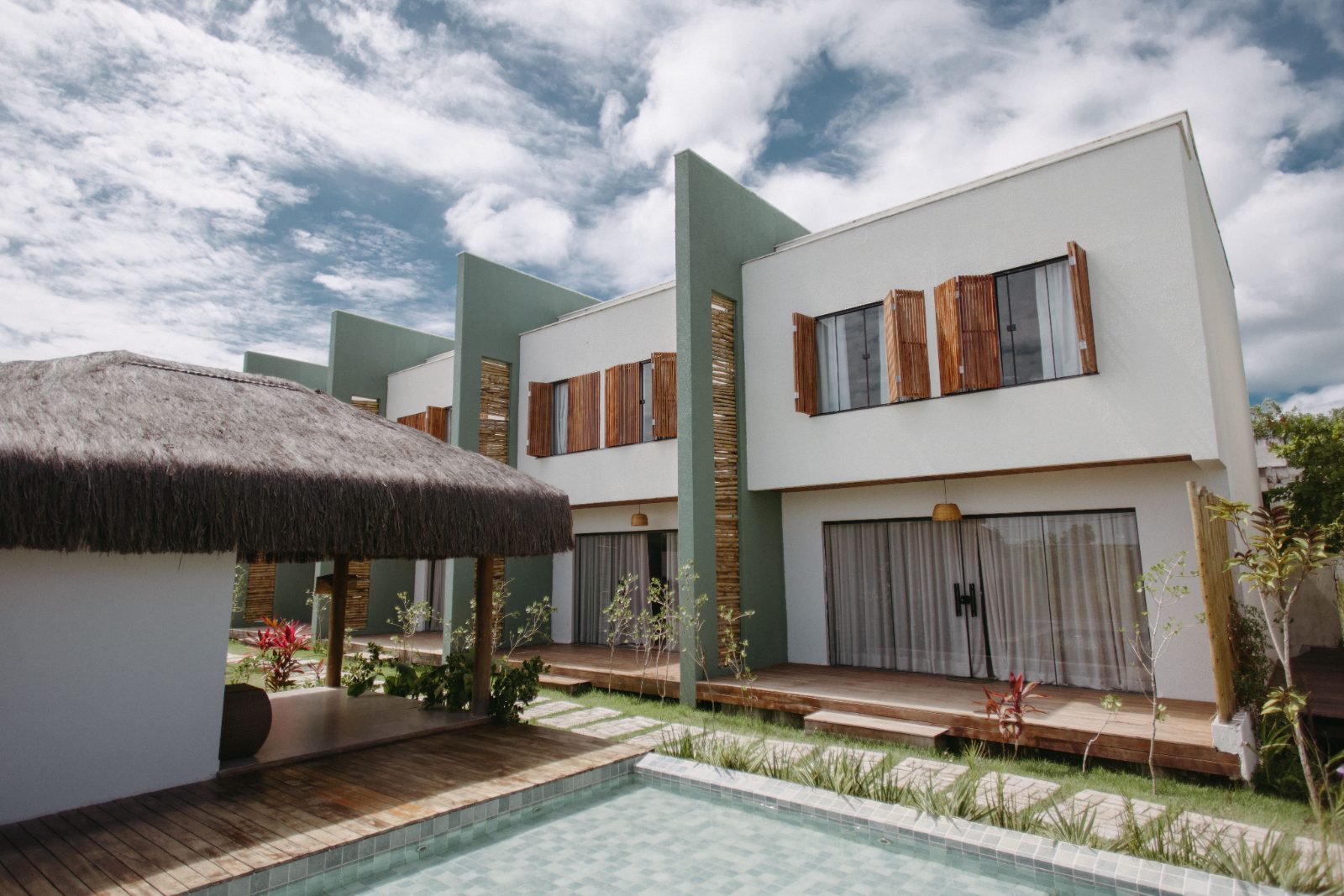
Buyers who focus only on the villa's appearance — the pool, the views, the landscaping — and underinvest in legal and physical verification make up a significant portion of those who later encounter serious problems. This guide explains what to look at beyond the obvious.
1. Can Foreigners Buy a Villa in Bali?
Yes — through specific legal structures. Indonesian law reserves Hak Milik (freehold land title) for Indonesian citizens, so a foreign buyer cannot simply purchase a villa and personally hold the title in the same way as an Indonesian national.
The main routes available to foreign buyers are:
- Hak Pakai: a registered personal right, available to foreign individuals with a valid KITAS or KITAP (subject to applicable conditions and property requirements)
- Leasehold (Hak Sewa): a contractual right to use the property for an agreed period, accessible to any foreign buyer
- PT PMA: an Indonesian company with foreign investment, which may hold HGB (Right to Build), relevant for certain commercial villa operations
For a full explanation of eligibility and conditions for each structure: Can Foreigners Buy Property in Bali? →
2. Define Your Objective First
The right villa depends entirely on what you want to do with it. These objectives have different implications for the type of property, location, legal structure, and applicable permits:
- Personal residence or second home: privacy, access, quiet neighbourhood, maintenance quality, proximity to services matter most
- Long-term rental: location convenience, building condition, operating cost efficiency
- Short-term rental / hospitality: tourism-zoned land, applicable operational permits (including TDUP), visibility, pool size, guest experience, management infrastructure
- Resale investment: title quality, remaining lease term if leasehold, area demand, condition of buildings
A villa that is perfect for personal use may not be legally permitted for short-term rental. A villa marketed with strong rental income projections may carry zoning or permit issues that make those projections unrealisable. Clarify your objective before you start viewing.
3. Choose the Right Location
Location affects not just lifestyle but also rental demand, future values, and operational viability. Consider:
- Access: the road to the villa matters. A narrow lane shared with the landowner's family can become an issue. Confirm the access situation before committing
- Neighbourhood: check surrounding land use. Agricultural fields, neighbouring construction, or a changing area can significantly affect quiet enjoyment or rental appeal
- Proximity to services: hospitals, international schools, airports, and retail matter for long-term residents; beaches, restaurants, and activities matter for rental guests
- Infrastructure quality: electricity reliability, water availability, internet access, drainage
- Flooding risk: low-lying areas in Bali can experience flooding in the wet season. Check drainage and local flooding history during any site visit
- Development pressure: rapid construction activity near a property can affect current quiet enjoyment and future views. Check what neighbouring parcels are zoned for
4. Verify the Land and Legal Rights
Before focusing on the building, verify the land position:
- Confirm the title certificate type and registered holder with a qualified notary/PPAT
- Verify the certificate at BPN — not just the copy provided by the seller
- Confirm boundaries, land area, and absence of encumbrances or disputes
- Confirm legal access exists and is documented
- Verify the applicable zoning for the land (see below)
- For leasehold, review the full lease agreement including duration, extension rights, permitted use, and assignment provisions
For the complete due diligence framework: Due Diligence When Buying Property in Bali →
5. Inspect the Villa Building
A physical inspection by or with a qualified professional should cover:
Structure and envelope
- Foundation and structural condition — look for cracking, settlement, or movement
- Roof — age, condition, waterproofing, gutters, drainage points
- Walls — moisture, rising damp, evidence of water infiltration
- Windows and doors — frames, seals, hardware condition
Systems and utilities
- Electrical system — age, panel capacity, condition, compliance with applicable standards
- Plumbing — water pressure, pipe condition, hot water system, drainage
- Water supply — PLN-connected (PDAM) or private well; confirm reliability and legal status
- Air conditioning — age, condition, maintenance history, number of units, capacity
- Internet connectivity — confirm actual available speeds, not just theoretical availability
Outdoor areas and pool
- Pool — condition of structure, tiling, filtration/pump systems, chemical storage
- Drainage — assess how the site drains; blocked or inadequate drainage is expensive to resolve
- Garden — irrigation system, landscaping condition, mature tree health
- Boundary walls and gates — condition, security, privacy
Furniture and equipment
- If the villa is sold furnished, inventory what is included and its condition
- Kitchen appliances, laundry, outdoor furniture — condition and ownership status
For older properties or any property where significant investment is being made, engaging an independent building surveyor or technical professional is strongly advisable.
6. Verify Permits and Legal Compliance
This is one of the areas where villa buyers most commonly encounter problems:
- Building permit (IMB/PBG): confirm that a valid building permit was issued for the existing structures and that the permit corresponds to what has actually been built — in footprint, height, number of structures, and permitted use. Significant discrepancies create compliance risk
- Zoning compatibility: confirm that the land is zoned for the intended use. For a rental villa, tourism-zone land is typically required. Agricultural zone land is generally not legally usable as a commercial accommodation without appropriate conversion, which is not guaranteed
- Operational permits: if the villa has been operating as a short-term rental, check what operational permits are in place (TDUP and others). If you intend to operate it commercially, verify in advance that the applicable permits are obtainable for this specific property
- Consistency between permits and physical property: buildings constructed beyond permit limits, or structures with no permit at all, are common. This affects both the legality of the property and your ability to obtain operational permits
7. Assess Rental Potential Realistically
If you intend to rent the villa, treat rental income projections with care. Claimed occupancy rates and nightly rates from sellers or agents are selling tools, not guarantees. A realistic rental assessment should consider:
- Location-specific demand: some areas of Bali have much stronger short-term rental markets than others. Research actual comparable listings and their real occupancy, not just headline rates
- Seasonality: Bali has distinct high and low seasons. Annual income depends on performance across both
- Competition: assess the number and quality of competing villas in the immediate area
- Management costs: professional management fees, maintenance, cleaning, utilities, and platform commissions reduce gross rental income meaningfully
- Applicable permits: you cannot legally advertise a villa for short-term rental without applicable operational permits. Verify this before purchasing a villa on the basis of rental income
- Renovation or upgrade requirements: a villa may need significant investment before it can achieve the rental rates being quoted by the seller
Being located in Bali does not automatically make a villa a profitable rental. The rental market is competitive. Build a conservative income scenario and stress-test it against realistic occupancy, management costs, and ongoing maintenance before making a purchase decision.
8. Calculate the Real Total Cost
The acquisition price is the starting point, not the total cost. Budget for:
- Transaction taxes: BPHTB (buyer's acquisition duty) for registered-right transfers, and other applicable taxes. Verify with a tax professional — see: Property Taxes and Buying Costs in Bali →
- Professional fees: notary/PPAT, legal counsel, tax adviser, building surveyor
- Renovation and upgrade: most older villas require some investment before rental or occupation. Get a realistic estimate before committing
- Furniture and equipment: if not included, or if existing contents are in poor condition
- Ongoing maintenance: pool, garden, air conditioning, roof, painting — budget annually
- Management fees: if renting, professional management typically takes a significant percentage of gross rental income
- Utilities and PBB: electricity, water, and annual land tax
- Operating permits: TDUP and related permit costs if running a rental business
9. Villa Due Diligence Checklist
Legal
Physical
Commercial (if intending to rent)
10. Common Mistakes When Buying a Villa
- Focusing on appearance over legal position: a beautiful villa with title problems, missing permits, or wrong zoning is a beautiful problem
- Assuming rental income: rental projections from sellers are optimistic by nature. Build your own conservative model
- Ignoring access: a difficult or legally unclear access route can affect day-to-day use, future development, and resale
- Underestimating renovation costs: Bali's tropical climate is hard on buildings. Assume more maintenance than the seller suggests
- Ignoring zoning: agricultural-zoned land cannot legally be operated as a commercial accommodation without conversion — and conversion is not guaranteed
- Signing before due diligence: any reservation fee or preliminary agreement should come after legal review, not before
- Not checking for building permit compliance: structures without permits or built in excess of permits can create significant problems — particularly if you plan to operate commercially or sell in the future
11. Final Takeaway
The best villa purchases in Bali are made by buyers who look carefully beyond the swimming pool and the sunset view. Title, zoning, permits, access, building condition, and realistic operating costs are what determine whether a villa is genuinely a good acquisition — or an expensive lesson.
Take the time to verify properly. Engage independent professionals. Build realistic financial scenarios. And if a vendor or agent resists proper due diligence, treat that as a red flag in itself.
Frequently Asked Questions
Sources & References
Always verify from official Indonesian government sources. Consult a qualified Indonesian legal professional before proceeding.